
We wrote this guide because it's one of the questions we're asked most often on WhatsApp.
Start with the company, not the project
The project's trading name isn't a legal entity. Whoever sells you the apartment is a company with a tax ID. The first thing to look for on the project's website is exactly this: the company name, its tax ID and its Trade Register number. If you can't find them anywhere, you've already learned something.
1. The Trade Register and public data
With the tax ID, you check on the public portals: the date of incorporation, the status (active, not insolvent), the directors, the registered office. A recently founded company isn't automatically a bad sign — projects are often done through dedicated companies — but then it matters who's behind it and what else they've built.
2. The previous building
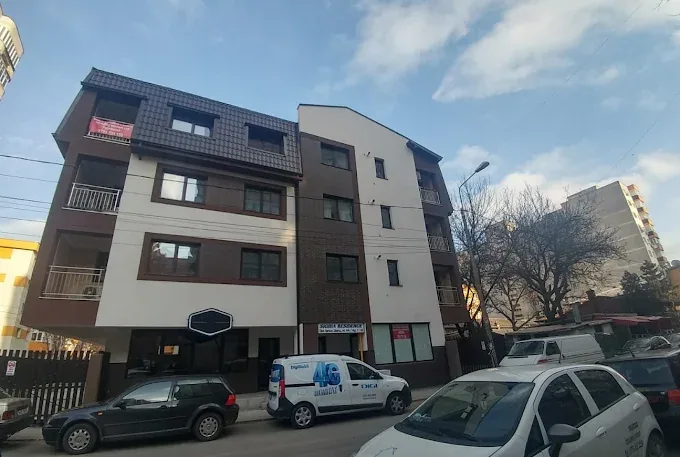
The best check isn't online: it's a walk. A developer who has handed over a building before can give you the address. Go, look at the facade after a winter or two, step into the stairwell if you can, talk to a resident. The Micro City team completed Dristor Apartments at 14A Râmnicu Vâlcea Street and is building Ilioara Residence, with a public site log — both can be seen.
3. The building permit
Ask for its number and compare what it authorises with what you're being sold: height, number of apartments, use. Sector town halls publish lists of the permits they've issued; a search by address takes a few minutes.
4. The land
The information land-book extract, from the ANCPI portal: the owner of the land must be the selling company or a company from the same group, with a clear explanation. The financing bank's mortgage is normal; noted litigation isn't.
5. The website and official channels
A website run by the developer has the company details under “legal information”, published prices and a page about who's behind it. Listings on platforms can be reposted by anyone; call the number on the official website and ask whether the person you spoke to works for the developer. For Micro City, the official site page exists exactly for that.
6. The preliminary contract, read by someone else
A notary or lawyer reads it in an hour. Look for the handover date with penalties, the conditions for refunding the deposit, the finishing standard as an annex and the account you pay into — the company's, not an individual's.
If something doesn't add up
You don't need to prove anything: a check that doesn't give a clear result is reason enough to move on. There are plenty of projects in Bucharest where all six answers come within thirty minutes.